
 By
By 
CRM Strategy Examples
CRM software provides you with insights on how to better serve your customers. Depending on your product offerings and target audience, you may notice that the people you want to reach get most of their information from blog posts. Or maybe they spend a lot of their time on social media.
You can improve your marketing tactics for both new and existing customers by using these insights to your advantage. Consider these examples of different CRM strategies
Example 1: Value-added content
People use Google as a first resort to answer questions and search for product offerings. If your site ranks at the top of Google for a specific keyword or question, then users are more likely to visit your website.
The best way to rank on Google is to create valuable, SEO-optimized content that’s relevant to your product. Consider writing content for people in various stages of their sales journey to move them through the sales pipeline.
- Some people may not be ready to buy your product, but they’ll have relevant questions you can answer.
- Others may want to know more about the differences between products, which means they’re further along in their sales journey and are closer to making a purchase.
Example 2: Loyalty and rewards programs
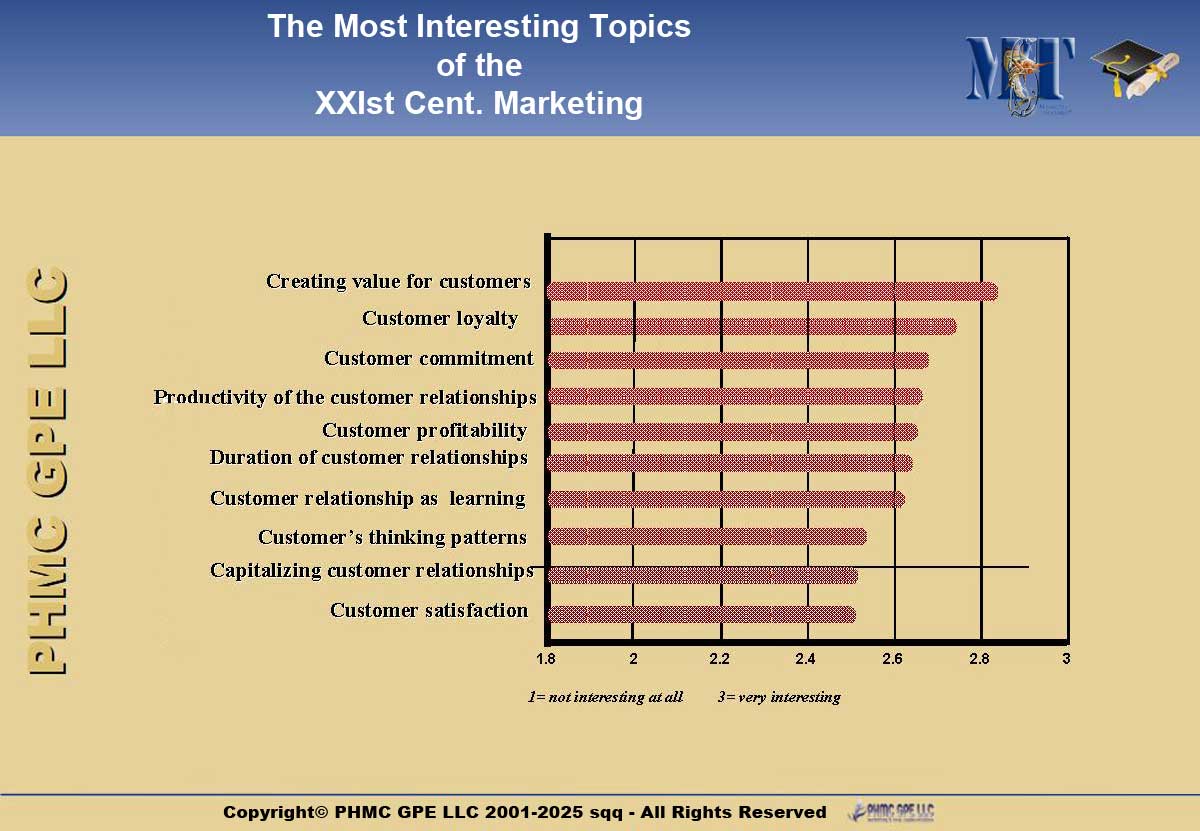
Customer loyalty and rewards programs keep first-time buyers coming back. You can customize one of these programs for your product by offering:
- Discounts
- Gifts
- Other bonuses
These incentives encourage customers to make purchases and refer their friends.
- Consider airline companies with complex loyalty programs that offer:
- Miles on credit card purchases
- Discounted flights
- Priority boarding.
These perks keep passengers dedicated to one airline even if other airlines occasionally offer them better rates.
Implementing Cross-Channel Marketing Strategies to Boost Conversion Rates
How to implement a CRM strategy
Now that you understand what a CRM strategy is and have seen some examples of successful CRM strategies, it’s time to put your own strategy into action.
Here are some key steps to effectively implement your CRM strategy:
1.Get buy-in from leadership and key stakeholders. Before you can successfully implement a CRM strategy, you need to ensure that your company’s leadership and key stakeholders are on board. Share your CRM strategy plan with them, highlighting the benefits it will bring to the business, such as increased customer loyalty, higher sales, and improved efficiency.
2.Choose the right CRM software. The CRM system you choose should align with your business goals and CRM strategy. Look for a solution that offers the features and integrations you need, such as contact management, sales automation, marketing automation, and analytics. Consider factors like ease of use, scalability, and pricing when making your decision.
3.Train your team. Once you have your CRM software in place, it’s essential to train your team on how to use it effectively. Provide comprehensive training sessions that cover all aspects of the software, from basic navigation to advanced features. Ensure that everyone understands how the CRM strategy aligns with their individual roles and responsibilities.
4.Integrate your CRM with other systems. To maximize the effectiveness of your CRM strategy, integrate your CRM software with other systems for your business processes, such as marketing automation tools, customer service platforms, and accounting software. This will provide a more comprehensive view of your customers and streamline your workflows.
5.Monitor and analyze your results. Regularly monitor and analyze the results of your CRM strategy using the reporting and analytics tools provided by your CRM software. Track key metrics like customer acquisition, retention, satisfaction, and churn rates to gauge the success of your strategy. Use these insights to continually refine and optimize your approach.
6.Continuously update and improve. A successful CRM strategy is not a one-time effort; it requires ongoing maintenance and improvement. As your business grows and evolves, so should your CRM strategy. Regularly review your processes, gather feedback from your team, stakeholders, and customers, and make adjustments as needed to ensure that your CRM strategy continues to support your business objectives.
Level up your customer experience with CRM software
When you make customer satisfaction a top priority, you can increase your chances of profit growth and secure a long-term spot in the market. Customer relationships are more important than individual purchases because building trust leads to invaluable name recognition and lead generation.
CRM software levels up your customer experience by helping you keep track of different customers and their needs. It’s difficult to make customer support feel personal, but when you use sales management software, your team members gain perspective and can make every customer feel supported.
Read Also:

How to Create an Effective Customer Experience Strategy


Comments